
29 Jan Industrial Piping Tips For Scalable Hydroponic Layouts
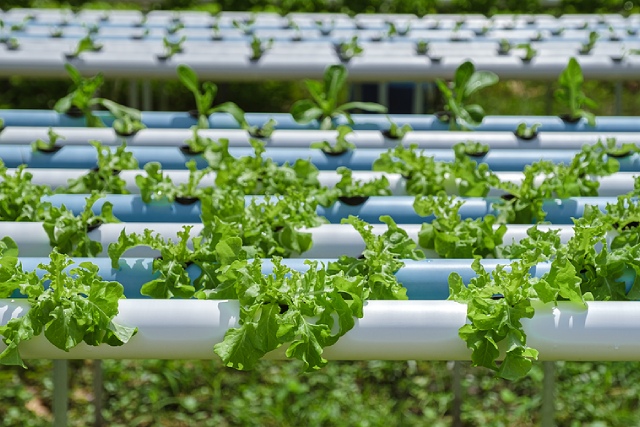
PVC pipes often get overlooked because they seem ordinary, but for hydroponic farming, they quietly do most of the heavy lifting. They’re lightweight, easy to work with, and don’t react with nutrient solutions, which makes them far more reliable than metal alternatives over time. For growers planning beyond a small setup, PVC gives the flexibility to build, adjust, and expand without redoing everything from scratch.
What really sets PVC apart is how well it supports consistency. Hydroponic plants rely on steady water flow, stable pressure, and predictable delivery of nutrients. PVC pipes help keep these variables under control, even as systems grow larger and more complex. For anyone thinking about scaling, starting with the right piping material can save years of frustration later.
Thinking ahead before laying a single pipe
Scaling a hydroponic setup isn’t just about adding more grow racks or increasing plant count. It’s about whether the piping layout can handle higher volumes without compromising flow balance. Many systems struggle not because the plants change, but because the pipes weren’t planned with growth in mind.
A good approach is to design for tomorrow, not just today. This means mapping out future expansion zones, even if they won’t be built immediately. Leaving space for extra lines, valves, and connectors helps avoid disruptive upgrades later. PVC pipes make this easier because modifications don’t require specialised tools or complex welding processes.
Prioritising even flow distribution
Uneven flow is one of the most common problems in larger hydroponic setups. Plants closer to the pump may receive more nutrients, while those further away get less. Over time, this imbalance shows up as uneven growth and inconsistent yields.
Looped piping layouts often solve this issue. Instead of a single straight line feeding all plants, a loop allows water to circulate evenly, maintaining more consistent pressure throughout the system. Flow regulators and ball valves placed at key points also help fine-tune delivery without overcomplicating the setup.
This is where thoughtful pipe sizing matters. Larger diameter pipes reduce friction loss, especially over long distances, and help maintain steady flow rates as the system expands.
Keeping maintenance realistic for large systems
As hydroponic operations grow, maintenance becomes a bigger part of daily work. Pipes that are difficult to access or impossible to isolate can turn small issues into major disruptions. Designing with maintenance in mind keeps downtime low and stress manageable.
Sectioning the system into zones is a practical strategy. Each zone can be shut off independently, allowing repairs or cleaning without stopping the entire operation. PVC pipes work well here because fittings and valves are widely available and simple to install.
Clear labelling also helps more than many growers expect. Marking lines for feed, return, and drainage saves time, especially when multiple people are involved in system upkeep.
Planning for cleaning and long-term hygiene
Hydroponic systems need regular cleaning to prevent algae buildup, biofilm, and nutrient residue. If pipes aren’t designed for easy flushing, cleaning becomes a chore that often gets delayed.
Straight runs with minimal sharp bends are easier to flush thoroughly. Where bends are unavoidable, using smooth-radius fittings reduces areas where debris can accumulate. Removable end caps or flush valves at strategic points allow for quick system cleaning without dismantling large sections.
This is one reason many growers rely on PVC pipes in hydroponic farming, as their smooth interior surfaces reduce buildup and simplify sanitation routines.
Designing for modular expansion
Modular design is a game-changer for scalability. Instead of one massive system, think of your hydroponic layout as a series of repeatable units. Each module can be added as demand grows, without disrupting existing operations.
Using standard pipe sizes across all modules keeps things consistent. It also makes replacement parts easier to source and reduces confusion during installation. PVC pipes support modular thinking because they’re compatible with a wide range of fittings and configurations.
This approach is especially useful for growers managing a hydroponic system in Singapore, where space constraints often require creative layouts and phased expansion.
Managing pressure as systems grow
As more plants and channels are added, pressure management becomes critical. Too much pressure can damage fittings or cause leaks, while too little can starve plants of nutrients.
Pressure-reducing valves and properly sized pumps help keep everything in balance. It’s also worth factoring in vertical height if your grow room uses stacked systems. Water pressure changes with elevation, and ignoring this can lead to inconsistent delivery across levels.
PVC piping systems handle these adjustments well, provided the layout is planned with realistic flow demands in mind.
Avoiding overcomplication
It’s tempting to design an all-in-one system with complex routing and multiple redundancies. While some redundancy is smart, too much complexity often leads to confusion and a higher failure risk.
Simple layouts are easier to monitor, troubleshoot, and scale. Clear main lines, logical branching, and minimal cross-connections reduce the chances of unexpected flow issues. PVC pipes encourage simplicity because they’re easy to reconfigure if something doesn’t work as expected.
Allowing flexibility for crop changes
Scalable hydroponic layouts should also account for future crop changes. Different plants have different water and nutrient needs, which may require adjustments to flow rates or delivery methods.
Installing adjustable valves and leaving room for additional lines gives you the freedom to adapt without major overhauls. PVC piping systems support this flexibility, making it easier to respond to market demand or seasonal shifts.
Thinking about durability in humid environments
High-humidity environments place constant stress on infrastructure. While metal pipes may corrode or degrade over time, PVC holds up well in moist conditions. This durability is especially important for growers operating indoors, where condensation and constant water exposure are unavoidable.
Choosing quality PVC products ensures long-term performance, reducing the need for frequent replacements and unexpected repairs.
Conclusion
Scalable hydroponic systems succeed when their foundations are thoughtfully planned. Piping may not be the most exciting part of a grow room, but it plays a huge role in system reliability, efficiency, and future growth. Starting with smart layouts, even flow distribution, and maintenance-friendly designs makes scaling far less daunting.
For growers looking to build or expand with confidence, Vicplas offers a comprehensive range of quality products for agricultural use. Choosing reliable piping solutions from the start helps ensure your hydroponic setup grows smoothly alongside your ambitions.