
26 Dec Which Hydroponic Systems Work Best In Singapore’s Climate
Singapore’s climate doesn’t come with neat seasonal shifts or predictable temperature drops. There’s no spring planting or winter resting period. It’s either warm and sunny or warm and rainy, with humidity sitting comfortably high almost all year round. That constant moisture in the air changes how plants behave and, more importantly, how growing systems need to be set up to support them properly.
What works well in drier countries or places with cooler nights doesn’t always translate smoothly here. Roots can stay wetter for longer, heat builds up faster, and airflow becomes more than just a nice-to-have. Choosing the right hydroponic system in Singapore often comes down to understanding how each setup handles heat, humidity, and oxygen rather than chasing what’s most popular overseas.
Why Singapore’s climate affects hydroponic performance
Humidity slows down evaporation. That sounds helpful until you realise it also means water sits around longer, especially in enclosed systems. Roots that stay wet for too long can struggle, even when nutrients are technically balanced. Warm water also holds less dissolved oxygen, which adds another layer of stress for plants if systems aren’t designed thoughtfully.
Rainy periods bring their own challenges. Even indoor or sheltered setups can feel the effects, with ambient moisture increasing and temperatures staying high overnight. All of this means systems that rely heavily on stagnant water or poor airflow tend to run into problems faster here than they would elsewhere.
Deep Water Culture (DWC): Simple, but watch the oxygen
Deep Water Culture is often recommended to beginners because it’s straightforward. Plant roots sit directly in a nutrient solution, and air stones provide oxygen. When managed well, it can produce fast growth and healthy greens.
In Singapore’s climate, DWC can work, but it demands attention. Warm nutrient solutions lose oxygen quickly, so aeration isn’t optional. If your hydroponic system is lacking oxygen, plants may look fine one day and stressed the next. Many local growers use chillers or increase air pump capacity to keep things stable. Without these adjustments, DWC can become risky during hotter months.
Nutrient Film Technique (NFT): Popular, but not always forgiving
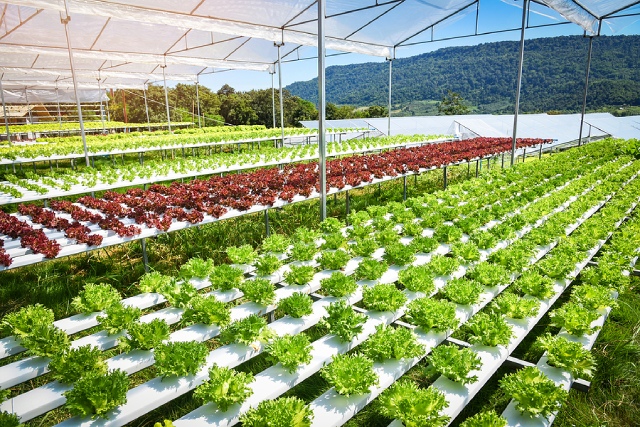
NFT systems circulate a thin film of nutrient solution through channels, allowing roots to absorb what they need while staying exposed to air. This design helps with oxygenation and is widely used for leafy greens.
However, NFT is less forgiving in humid, warm environments. Pumps run continuously, and any interruption can dry roots quickly. Algae growth is also more common here due to warmth and light exposure. Covered channels, good drainage, and regular cleaning are essential if you’re using NFT in Singapore. It’s efficient, but it rewards consistency rather than neglect.
Ebb and Flow (Flood and Drain): Balanced for humidity
Ebb and Flow systems flood the grow tray periodically with nutrient solution, then drain it away. This cycle allows roots to access nutrients while also drawing in oxygen as water recedes.
For Singapore’s conditions, this balance can be a real advantage. Roots don’t stay submerged all the time, which helps reduce rot risks in humid environments. The pause between floods allows excess moisture to evaporate slightly, even when the air is heavy. Many growers find this system forgiving and adaptable, especially for mixed crops or home setups.
Drip systems: Controlled and flexible
Drip systems deliver nutrients directly to each plant through emitters. Excess solution drains away, preventing water from pooling around roots. This level of control is useful in a climate where over-saturation is a common issue.
In Singapore, drip systems work well for fruiting plants like tomatoes and chillies, which prefer more precise watering. They also scale easily, making them suitable for both small balconies and larger grow rooms. The key is ensuring drainage stays clear, as humidity can encourage biofilm and clogging over time.
Aeroponics: High performance, high maintenance
Aeroponic systems mist nutrient solution directly onto exposed roots. Oxygen availability is excellent, and growth rates can be impressive. On paper, this sounds ideal for a warm climate.
In practice, aeroponics requires tight control. Nozzles can clog, pumps must run reliably, and power interruptions are risky. In Singapore’s humidity, condensation and microbial growth can also affect components. Aeroponics can work beautifully here, but it suits growers who are comfortable monitoring systems closely rather than those seeking low-effort setups.
Substrate choices matter more than you think
Beyond system type, growing media play a big role in how plants cope with humidity. Media that retain too much water can become problematic, even in well-designed systems. Clay pebbles, perlite, and well-aerated coco blends are popular locally because they balance moisture retention with airflow.
Good media help buffer against environmental swings. When afternoons are hot and nights stay warm, that extra airflow around roots can make a noticeable difference to plant health.
Ventilation and layout aren’t optional
No hydroponic system operates in isolation from its environment. In Singapore, ventilation often determines whether a system thrives or struggles. Fans help move humid air away from leaves and roots, reducing fungal risks and improving transpiration.
Layout matters, too. Overcrowding traps moisture and heat, while thoughtful spacing encourages airflow. Even simple adjustments, like elevating reservoirs off warm floors or shading pipes from direct sun, can improve stability across most systems.
Choosing what fits your lifestyle, not just the climate
The best system isn’t only about climate compatibility. It’s also about how much time and attention you can realistically give. DWC and aeroponics may deliver fast growth, but they demand monitoring. Ebb and Flow or drip systems often suit people who want consistency without constant tweaking.
A hydroponic system should work with your daily rhythm, not against it. Systems that tolerate small delays or minor fluctuations tend to feel less stressful over the long run.
Long-term reliability comes from good components
Regardless of system type, reliability often comes down to materials. Pipes, fittings, and reservoirs need to handle warmth, moisture, and constant use without degrading. Poor-quality components can leach unwanted substances or fail under heat, creating issues that look like nutrient problems but aren’t.
Using agriculture-safe, durable materials helps reduce these risks. It also makes maintenance easier, which matters in a climate where systems run year-round without seasonal downtime.
Conclusion
Singapore’s climate doesn’t offer breaks. Plants grow continuously, and systems are always under some level of environmental stress. Choosing the right hydroponic setup means prioritising airflow, oxygen availability, and moisture control rather than copying trends from cooler or drier regions.
If you’re planning or upgrading a system, working with reliable components makes a real difference. Vicplas offers a comprehensive range of quality products that are sustainable and safe for agricultural use, supporting hydroponic growers who want systems that stay dependable in Singapore’s unique climate.