
22 May A Beginner’s Guide To Soil-Free Farming In The Tropics
Soil-free farming might sound futuristic, but it is quickly becoming one of the most practical ways to grow fresh food, especially in a tropical city like Singapore. Whether you have a small balcony, a spare room, or a rooftop space, you do not need a garden bed or even a patch of earth to get started. All you need is a bit of curiosity, the right setup, and a willingness to learn.
The tropics, with its warm temperatures and abundant sunlight, might seem like the ideal place for traditional gardening. But heavy rainfall, high humidity, and limited land can make soil-based growing tricky for beginners. That is where soil-free farming, particularly hydroponics, steps in. It sidesteps many of those challenges entirely, giving you far more control over how your plants grow.
What is soil-free farming?
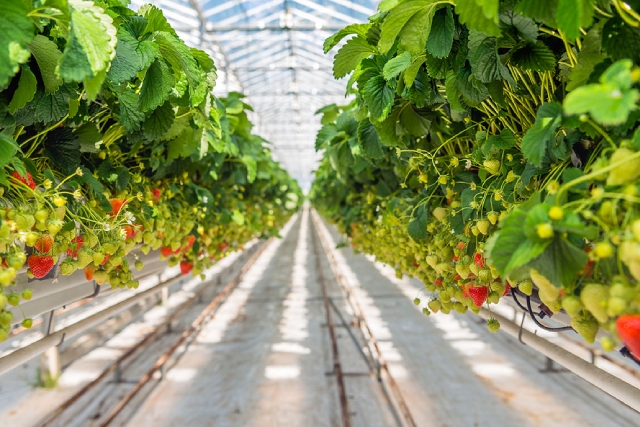
Soil-free farming, most commonly known as hydroponics, is a method of growing plants using nutrient-rich water instead of soil. The roots are either suspended in water, misted with nutrients, or anchored in an inert growing medium such as rockwool or perlite. Without soil acting as a middleman, nutrients go straight to the plant roots, which means faster growth and often a higher yield.
Hydroponics uses up to 90% less water than soil-based farming, as recirculating systems reduce wastage and deliver water directly to plant roots. For a country like Singapore, where sustainability and resource efficiency are top priorities, this is a significant advantage.
Why soil-free farming makes sense in the tropics
The tropical climate is a double-edged sword for growers. On one hand, warmth encourages plant growth. On the other hand, unpredictable downpours, soil erosion, and pest pressure can make outdoor growing inconsistent at best.
A well-set-up hydroponic system in Singapore addresses these issues head-on. By growing indoors or in a controlled environment, you are no longer at the mercy of sudden storms or soil-borne diseases. In hydroponics, the complete elimination of soil and its harmful micro-organisms allows for better quality crops, while also reducing environmental impact, such as soil erosion or water supply contamination. That is a meaningful benefit for anyone starting out.
Hydroponics is perfect for year-round gardening, which is especially relevant in a tropical climate where outdoor growing conditions can be unpredictable from month to month.
Singapore is aiming to produce 30% of its own food locally by 2030, and urban farming methods like hydroponics are central to achieving it. Soil-free farming is not just a hobby trend here; it is part of a larger national conversation about food security and self-sufficiency.
The different types of hydroponic systems
There is no single way to do hydroponics, which is part of what makes it so adaptable. Here are the most common systems beginners tend to start with:
- Wick Systems: A simple, low-tech option where wicks draw nutrient solution up to the plant roots. Ideal for absolute beginners or small-scale setups.
- Drip Systems: Nutrient solution is slowly dripped onto the base of each plant. These are easy to scale up as you grow more confident.
- Ebb and Flow (Flood and Drain): Nutrient solution is repeatedly cycled in and out of the growing tray at regular intervals. It works well for a wide variety of crops.
- Nutrient Film Technique (NFT): Nutrient solution constantly circulates and runs over the roots in a thin layer. This recirculating approach is used by commercial farms.
- Deep Water Culture (DWC): Plants are suspended in nutrient-rich water with their roots fully submerged. It is one of the simplest and most affordable setups for beginners.
Each system has its own strengths, and the best choice depends on your space, budget, and what you want to grow.
What can you grow?
Beginners often start with leafy greens and herbs as they grow quickly, do not require much vertical space, and are simple to manage. Popular choices include lettuce, spinach, kale, basil, mint, and kai lan.
Once you are comfortable with the basics, you can branch out into fruiting crops like cherry tomatoes, chillies, and cucumbers. These take a little more attention, but the payoff is well worth it.
What you need to get started
Setting up a basic hydroponic system does not have to be complicated or expensive. Here is what most beginners will need:
- A growing container or system (based on your chosen method)
- A nutrient solution formulated for hydroponics
- A growing medium (such as rockwool, clay pebbles, or perlite)
- A light source, if growing indoors
- A pH testing kit to monitor water acidity
- Seeds or seedlings of your chosen crops
The quality of your materials matters more than you might expect, particularly when it comes to the piping, channels, and growing structures. Durable, food-safe components will help your system run smoothly and keep your produce safe for consumption.
Tips for getting it right from the start
1. Starting small is always the smartest move – A compact DWC or NFT setup on a kitchen countertop or balcony is a great way to build confidence without overwhelming yourself.
2. Keep a close eye on your pH levels – Most plants thrive in a pH range of 5.5 to 6.5. Even small fluctuations can affect how well your plants absorb nutrients, so testing regularly is a habit worth forming early on.
3. Do not overlook lighting – Precise control over light, temperature, humidity, and nutrient levels is needed for successful hydroponic growing, with conditions tailored to specific plant requirements. If you are growing indoors, invest in a good LED grow light that covers the right spectrum for your plants.
4. Do not skip the monitoring stage – Check your water levels, nutrient concentration, and root health regularly. Catching a small problem early is far easier than troubleshooting a struggling crop later.
Conclusion
Soil-free farming is gaining real momentum across the region. Singapore’s hydroponics market has experienced significant interest from urban farmers, restaurants, and individuals looking to cultivate fresh produce, aligning with the country’s drive towards sustainable agriculture and local food production. Whether you want to reduce your grocery bill, eat fresher food, or simply try something new, there has never been a better time to get started.
Getting your setup right from the beginning makes everything easier down the line, and that starts with the materials you use. If you are ready to take the next step, Vicplas is a trusted name worth knowing. Vicplas offers a comprehensive range of quality products that are sustainable and safe for agriculture use, making us a reliable partner as you build out your hydroponic system. Explore our range and give your soil-free farm the solid foundation it deserves.