
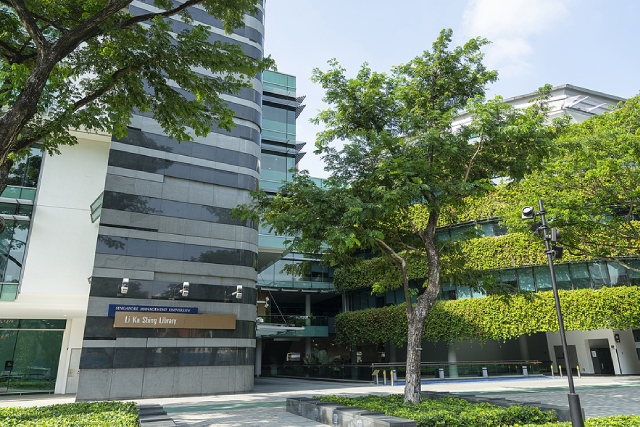
24 Apr Designing SLE Buildings With High Performance uPVC
When it comes to building in Singapore, the stakes have never been higher. School, library, and exhibition (SLE) buildings sit at the intersection of public trust, long-term performance, and increasingly demanding sustainability expectations. Architects, engineers, and developers working on these projects need materials they can rely on from the first design sketch right through to decades of daily use. That is why more professionals are turning their attention to high-performance uPVC as a key component in their specifications.
The material conversation in SLE construction has shifted considerably in recent years. It is no longer enough for a product to simply do its job. Now, it needs to do it well under pressure, over time, and with minimal impact on the environment. High-performance uPVC ticks each of these boxes, and understanding why starts with looking at how it performs across the key areas that matter most to SLE projects: structural reliability, fire safety, thermal performance, and long-term sustainability.
Built for the demands of public infrastructure
SLE buildings serve thousands of people every year. Schools must endure decades of heavy daily use; libraries must maintain stable internal environments to protect collections and users alike; exhibition spaces must adapt to changing demands without constant costly upgrades. The building systems that support these functions need to match this durability.
A well-specified PVC piping system in Singapore must contend with the country’s tropical climate, which brings intense heat, high humidity, and heavy rainfall throughout the year. High-performance uPVC handles all of this with ease. It is highly resistant to chemical corrosion, does not degrade in UV exposure (when properly formulated), and maintains structural integrity across a wide range of temperatures. Unlike traditional materials such as mild steel or cast iron, uPVC does not rust, scale, or require regular repainting, which means lower maintenance costs and far fewer disruptions to the building’s users over time.
Sustainability built into the specification
The importance of green construction in Singapore continues to shape how major public buildings are designed and delivered, and SLE projects are no exception. Singapore’s Building and Construction Authority (BCA) Green Mark scheme encourages developers and designers to think carefully about the materials they choose, not just the energy systems they install.
High-performance uPVC supports Green Mark aspirations in several meaningful ways. It is a lightweight material, which reduces the energy required during transportation and installation. It has a long service life, often exceeding 50 years when correctly specified, which reduces the frequency of replacement and the associated waste. Many modern uPVC formulations also incorporate recycled content and are themselves recyclable at the end of life, contributing to a more circular approach to construction.
uPVC is also free from lead stabilisers in many contemporary formulations, addressing past environmental concerns associated with PVC products and making it more appropriate for public buildings where health and safety standards are particularly rigorous.
Fire safety: A non-negotiable for SLE buildings
In any building that serves the public, fire safety is paramount. SLE buildings must comply with the Singapore Civil Defence Force (SCDF) fire safety requirements, which set strict standards for the materials used throughout a building’s construction and fit-out.
High-performance uPVC used in SLE applications is typically formulated to be self-extinguishing. This means that when a flame source is removed, the material stops burning rather than continuing to propagate fire. This characteristic, combined with low smoke emission properties in quality formulations, makes it a considerably safer choice compared to some alternative plastic materials. Specifiers should always verify that the products they choose carry the appropriate third-party fire test certifications relevant to their specific application.
Precision fit for complex SLE projects
One of the practical advantages of uPVC for SLE buildings is the sheer range of products available to designers and contractors. Modern SLE projects often involve complex layouts; laboratories, server rooms, kitchens, plant rooms, and specialist exhibition areas can all sit within the same building envelope, each with different piping and drainage requirements.
A comprehensive uPVC product range gives design teams the flexibility to specify solutions that are precisely matched to each zone’s requirements:
- Above-ground drainage systems for wet areas, kitchens, and sanitaryware
- Underground drainage for external and sub-structure applications
- Conduit and cable management systems for electrical and data infrastructure
- Pressure piping systems for water supply and fire suppression
Having access to consistent, compatible fittings across all these categories simplifies procurement, reduces the risk of compatibility issues on-site, and makes long-term maintenance more straightforward because the building manager can source replacement parts from a single, reliable supplier.
Ease of installation reduces programme risk
Construction programmes for SLE buildings are often tightly managed, with fixed opening dates tied to academic calendars or public events. Any delays carry real consequences. uPVC systems offer a genuine advantage here: they are lightweight, easy to cut and join, and require no specialist welding equipment or extended curing times. Solvent cement jointing systems, for instance, create strong, watertight connections quickly, helping mechanical and electrical teams maintain their programme without compromise.
This ease of installation also translates to fewer errors on site. Lighter materials are easier to handle safely in confined spaces, and the straightforward jointing methods reduce the likelihood of leaks or failures that might only become apparent after the building is occupied.
Conclusion
For architects, engineers, and project managers working on SLE buildings in Singapore, high-performance uPVC offers a compelling combination of durability, safety, sustainability, and practical value that few other materials can match. Specifying the right products from the right supplier is what turns a good design into a building that genuinely performs for its users over the long term.
If you are working on an SLE project and want to explore the full range of uPVC solutions available, get in touch with Vicplas. With a comprehensive range of pipes and pipe fittings, Vicplas has the depth and expertise to support your project from specification through to completion, whatever the scale or complexity of your build.